Vape Culture: Examining the Emergence of Vaping in Contemporary Society
Vape culture has emerged as a prominent phenomenon within younger generations, driven by a desire for healthier alternatives and diverse flavor options. Social media accelerates this movement, presenting vaping as a socially acceptable choice. However, the health implications remain contentious, raising questions about safety. As vape shops evolve into community hubs, the characteristics of this movement remain in constant flux. What does the future hold for this expanding trend?
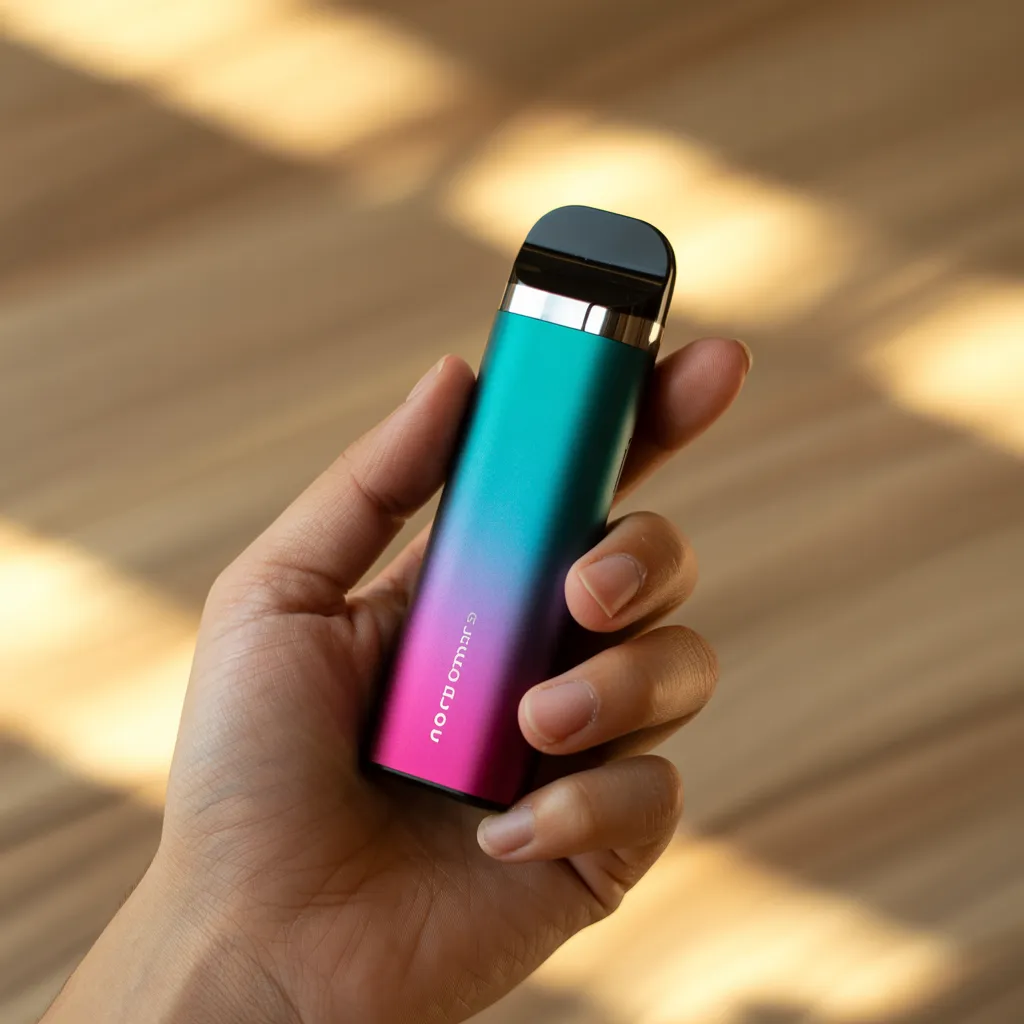
Why Are So Many People Making the Switch to Vaping?
As awareness of the health risks associated with traditional smoking grows, a growing number of people are turning to vaping as an apparently less harmful substitute. This change is motivated by a variety of influences, among them the allure of varied tastes and personalized settings that vaping devices deliver. Numerous users value the wide range of flavors, spanning from fruity to dessert-themed options, which make the experience far more pleasant than traditional tobacco. Furthermore, vaping is frequently regarded as a more socially welcomed activity, especially among younger age groups. The innovation within vaping devices additionally enables a degree of management over nicotine consumption, attracting individuals seeking to lower their intake steadily. Moreover, the perception that vaping is less intrusive and has fewer lingering odors than smoking contributes to its rising popularity. As a consequence, a broad spectrum of individuals, including both former smokers and those new to nicotine use, are steadily embracing vaping as their preferred choice.
Is Vaping Really Safe? The Health Debate?
How safe is vaping compared to traditional smoking? This question has sparked considerable debate among health professionals and the public alike. Although vaping is frequently promoted as a healthier option compared to smoking, the truth is far more nuanced. E-cigarettes typically contain fewer toxic substances than traditional cigarettes, which could theoretically reduce some health risks. However, vaping still introduces harmful chemicals into the body, including nicotine, which can lead to addiction and potential cardiovascular issues.
Emerging research has raised concerns about the long-term effects of inhaling vaporized substances, particularly since many ingredients in e-liquids remain unstudied. Additionally, cases of vaping-related lung injuries have come to light, compounding the existing concerns about its safety. At the end of the day, while vaping may present fewer risks than smoking, it is far from entirely risk-free, necessitating serious reflection from users and regulators alike.
Who's Participating in the Vaping Trend?
Who finds appeal in the vaping phenomenon? A diverse range of individuals finds appeal in vaping, across different age groups and lifestyles. People in their youth, notably those ranging from their late teens to early twenties, commonly explore options beyond traditional tobacco products, seeing vaping as a trendy and modern personal choice. Many are motivated by the perception that vaping is less harmful and delivers a tailored experience through an array of flavors and nicotine options.
Additionally, smokers who have switched to vaping constitute a considerable segment. It is frequently regarded as a way to cut back on nicotine while maintaining the pleasure of inhaling. Curiosity also drives some individuals, as vaping's social dimensions appeal to those wanting to engage with peers or venture into new experiences. The ease of access to vaping, paired with its perceived freshness, keeps attracting a wide range of individuals to the vaping community.
How Social Media Has Shaped Vape Culture
What role does social media play in shaping vape culture? Social media networks have grown increasingly central to the promotion and normalization of vaping among different groups. Via eye-catching visual content, influencers portray vaping as a lifestyle option, routinely stressing its aesthetic qualities and social elements. Hashtags and challenges related to vaping create a sense of community, encouraging users to share their experiences and preferences. Moreover, social platforms including Instagram and TikTok empower users to generate and spread tutorials, vaping techniques, and product assessments, increasing the prominence of vaping products and brands.
This constant interaction fosters an environment where vaping is not just a practice but a means of individual expression. The widespread reach of social media amplifies trends, leading to quick transformations in consumer preferences. Therefore, social media functions as a double-edged sword, both spreading knowledge examination about vaping and perhaps embellishing the activity, particularly among younger demographics.
The Ways Vaping Shapes Lifestyle Choices
Vaping has become a significant factor in shaping contemporary lifestyle choices, influencing everything from social interactions to personal identity. For a great number of people, vaping acts as a social catalyst, enabling connections across both relaxed and professional environments. The practice of vaping frequently generates a collective experience for participants, strengthening community ties and setting standards for social events.
In addition, vaping has reshaped personal identity for many users, setting them apart from traditional smokers or non-smokers. The choice of flavors, devices, and brands enables people to showcase their personal preferences, fostering a sense of uniqueness.
Moreover, health perceptions associated with vaping have driven shifts in daily habits; many individuals consider it a safer replacement for traditional smoking, while some incorporate it within fitness-oriented narratives. When all is considered, vaping impacts decisions surrounding social interactions, personal expression, and well-being, highlighting its significant effect on present-day living habits.
Vape Shops: Social Centers for Vaping Fans
Within the ever-changing world of vaping culture, vape shops have become essential gathering places for vaping enthusiasts. These locations operate as gathering places where customers can bond over their common enthusiasm for vaping. Going beyond simple retail, vape shops frequently organize events, such as product tastings and educational workshops, nurturing a welcoming atmosphere among their customers.
The knowledgeable staff frequently provide valuable insights into the most recent vaping devices and e-liquids, enhancing the overall vaping experience. This personalized service helps build trust and loyalty within the community. Furthermore, vape shops frequently establish inviting atmospheres, promoting meaningful connections between customers, which may develop into lasting friendships and support systems.
With vaping steadily increasing in popularity, these establishments play a crucial role in cultivating a culture focused on discovery and learning. By emphasizing community participation, vape shops not only enrich individual journeys but also aid in building a dynamic, interconnected vaping culture.
Future Trends in Vape Culture
How will the future of vape culture evolve as technology and societal attitudes shift? With the progression of vaping technology, developments like smart devices and personalized options are expected to appeal to a broader demographic. Upgraded user interfaces and app connectivity may support individualized experiences, empowering users to track their consumption habits and preferred flavors. Additionally, the growing emphasis on health and wellness could reshape perceptions, leading to more acceptance of vaping as a less harmful alternative to smoking.
Regulatory changes will also play a critical role as regulatory bodies enforce stronger guidelines, brands may concentrate on clarity and product integrity, promoting a more accountable trade. Community outlooks may progressively transform, with e-cigarettes growing more embedded in everyday society, much like artisan brewing or premium coffee. In the end, the trajectory of vaping culture will be shaped by an interplay of cutting-edge innovation, regulatory frameworks, and transforming public outlooks, forging a unique presence in modern culture.
Commonly Asked Questions
What Are the Most Popular Flavors Among Vapers Today?
Fruit flavors, particularly watermelon, mango, and berry, lead the vaping market at present. Dessert flavors, including chocolate and vanilla custard, are also widely popular, appealing to those seeking sweet and indulgent experiences in their vaping choices.
How Much Does Vaping Typically Cost Monthly?
The monthly cost of vaping generally fall from $30 to $100, based on consumption patterns, device selection, and e-liquid options. Frequent vapers could experience notable differences in spending based on their own preferences and vaping frequency.
What Are the Age Requirements for Buying Vape Products?
Yes, there are age restrictions for purchasing vape products. In numerous jurisdictions, individuals must be at least 18 to 21 years old, based on local regulations, to lawfully purchase vaping devices and associated products.
Does Vaping Help Smokers Quit Cigarettes Entirely?
Vaping may assist some individuals in quitting smoking entirely by offering a safer substitute. However, its results differ from person to person, and reliance on vaping can lead to continued nicotine dependence for others.
What Are Widespread Misconceptions About Vaping?
Common misconceptions about vaping include beliefs that it is completely safe, that it is free of dangerous chemicals, and that it exclusively leads to cigarette smoking. These misunderstandings can influence perceptions and behaviors surrounding vaping.